
Optimal Timing for Tree Removal
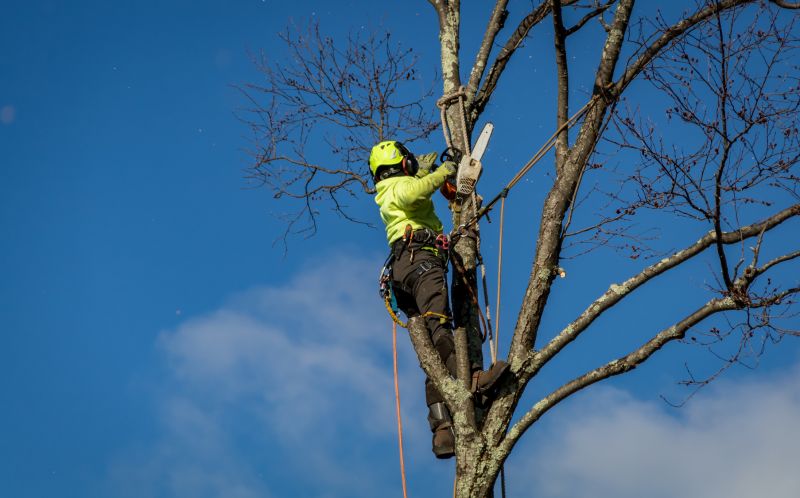
Winter is often ideal for tree removal due to dormancy, which minimizes stress on the tree and reduces damage to surrounding vegetation.
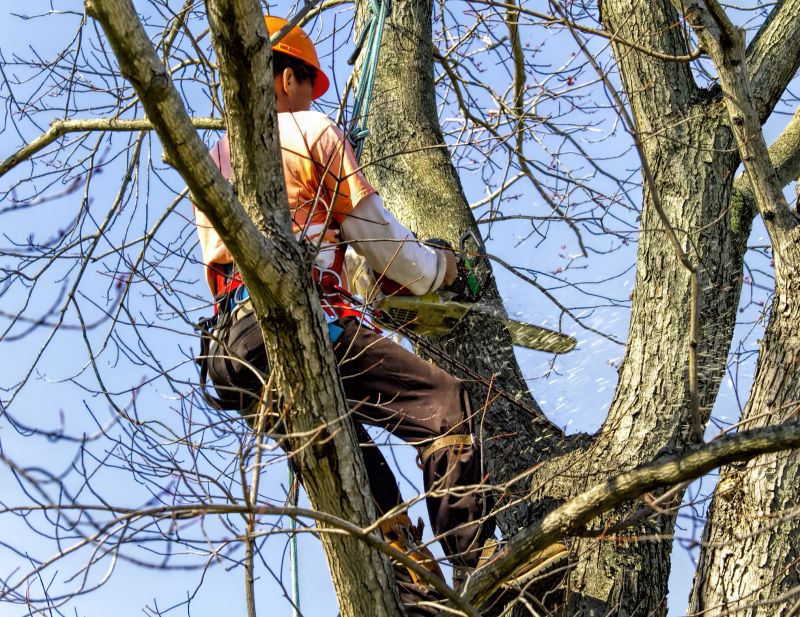
Tree removals during spring and summer may be necessary in emergency situations or when safety hazards are present, but they can impact nearby plant growth.
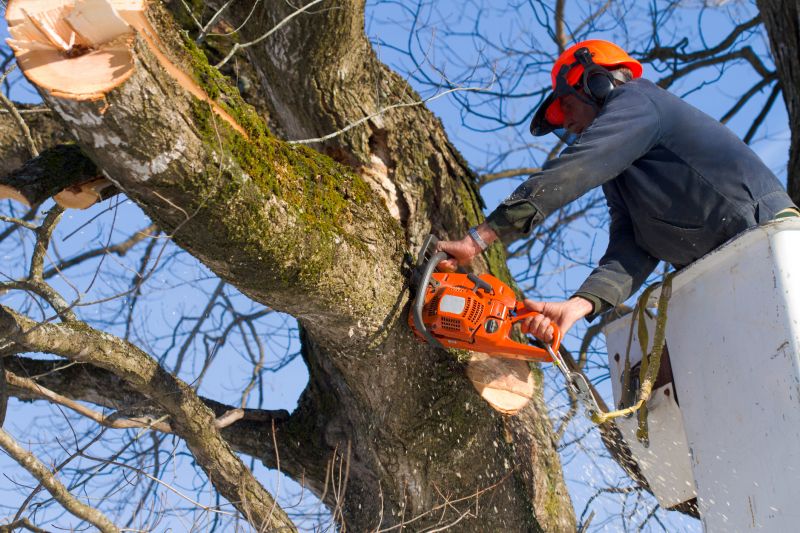
Fall offers moderate conditions for tree removal, with cooler weather and less sap flow, making it a suitable time for certain projects.
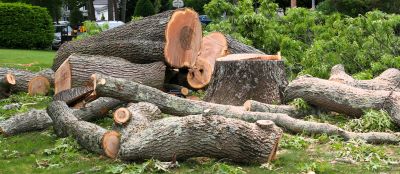
Ways to make Tree Removals work in tight or awkward layouts.
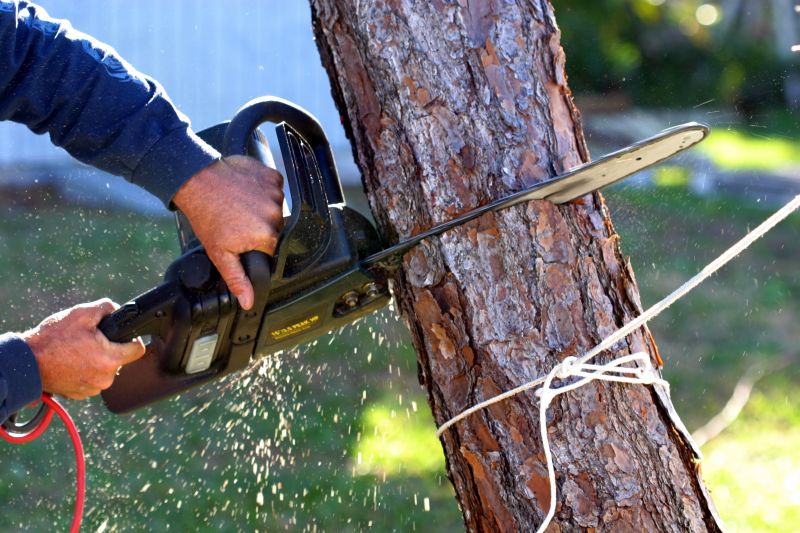
Popular materials for Tree Removals and why they hold up over time.
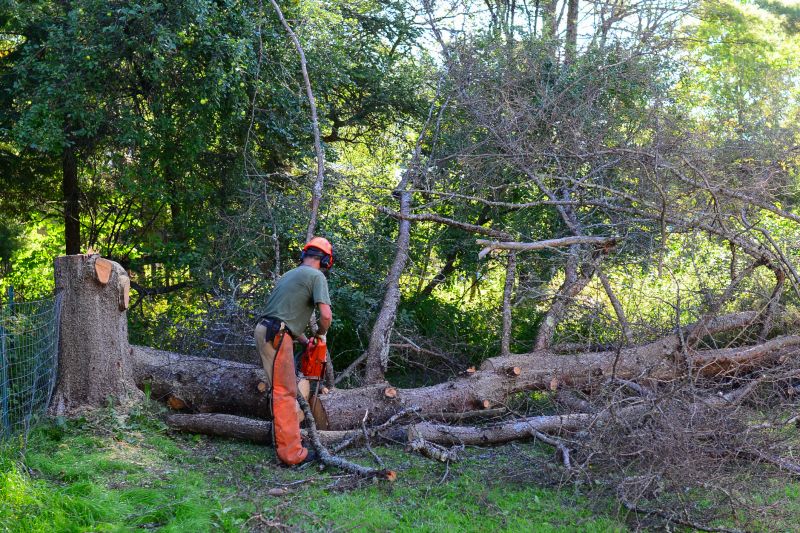
Simple add-ons that improve Tree Removals without blowing the budget.
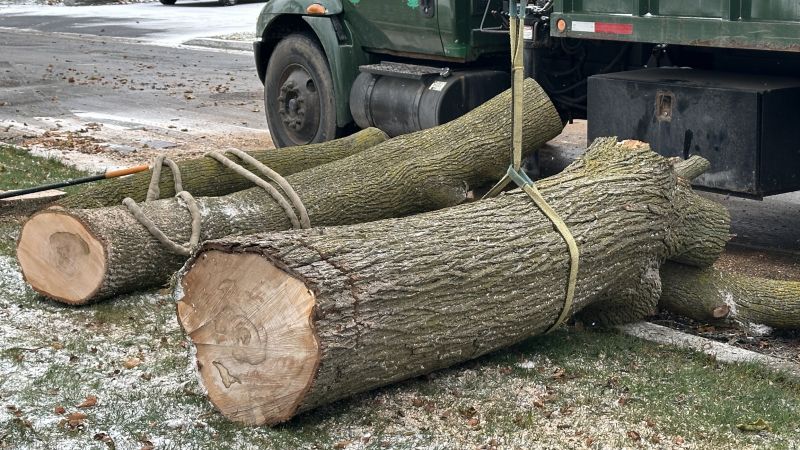
High-end options that actually feel worth it for Tree Removals.
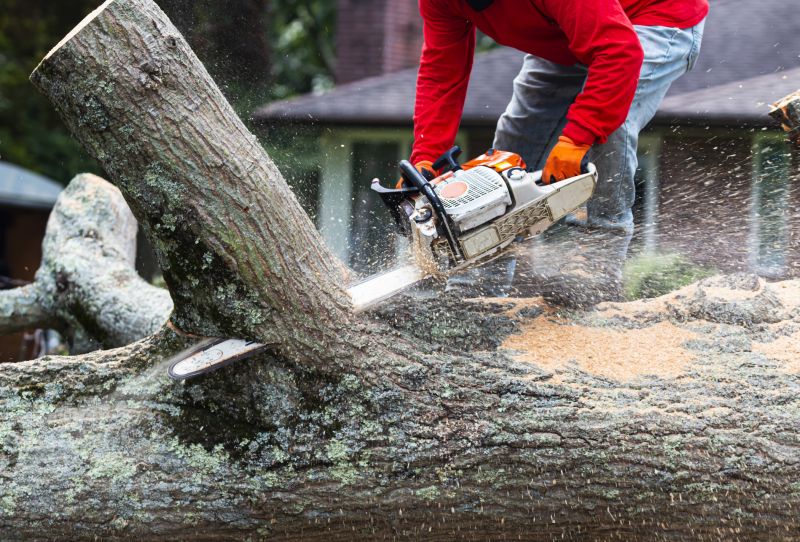
Finishes and colors that play nicely with Tree Removals.
Tree removal timing is influenced by seasonal factors, tree health, and safety considerations. Proper timing can help ensure the safety of property and reduce risks associated with falling branches or trees. In regions like Prescott Valley, AZ, winter is generally preferred for tree removal because trees are dormant, reducing stress and potential damage. During dormancy, the risk of disease transmission is lower, and soil conditions are often more stable, facilitating easier removal processes.
Statistics indicate that scheduling tree removals during the dormant season can improve outcomes and reduce complications. For example, studies show that winter removals result in fewer pest infestations and less impact on surrounding vegetation. However, emergency removals due to storm damage or safety hazards may occur at any time of year, regardless of season.
Removing trees during dormancy minimizes stress and promotes quicker recovery for nearby plants.
Storms and high winds can cause trees to fall unexpectedly, necessitating removals at any time.
Frozen ground in winter allows for easier equipment movement and less soil disturbance.
Urgent removals are required when trees pose immediate safety risks, regardless of season.
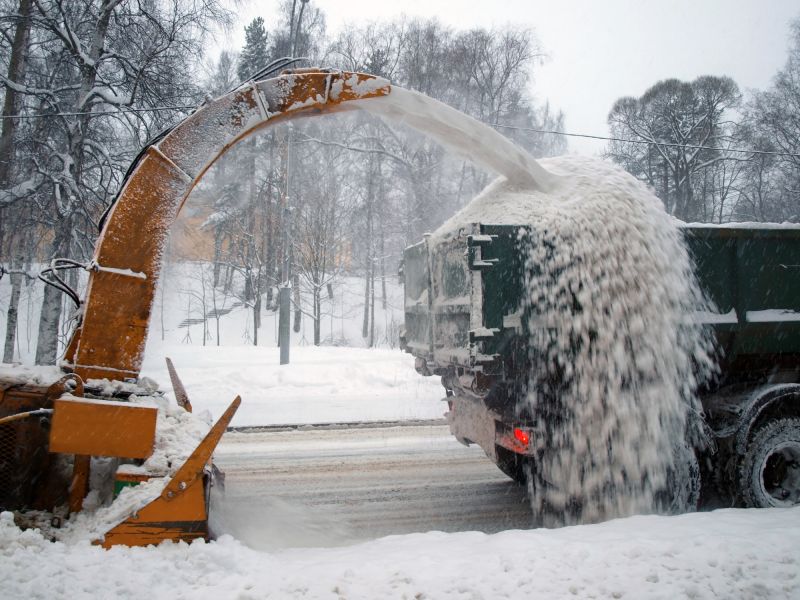
Specialized equipment is used during winter to handle frozen ground and snow conditions.
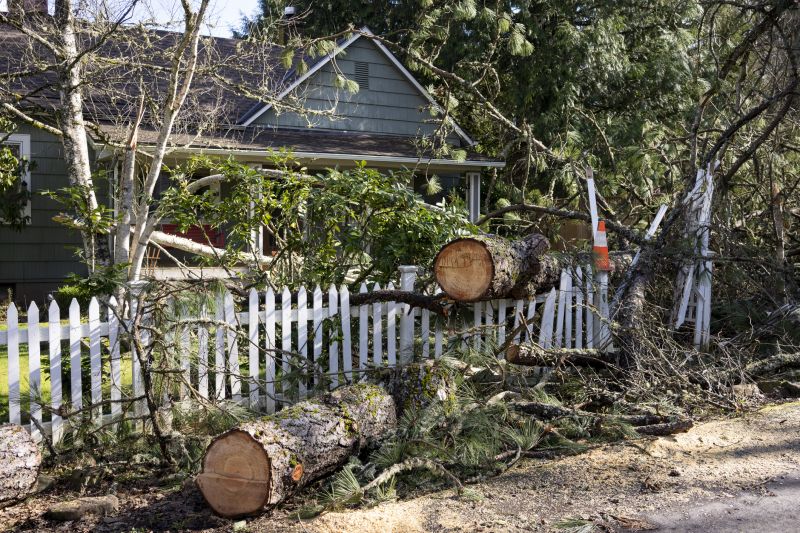
Spring removals often involve managing budding trees and avoiding damage to nearby plants.
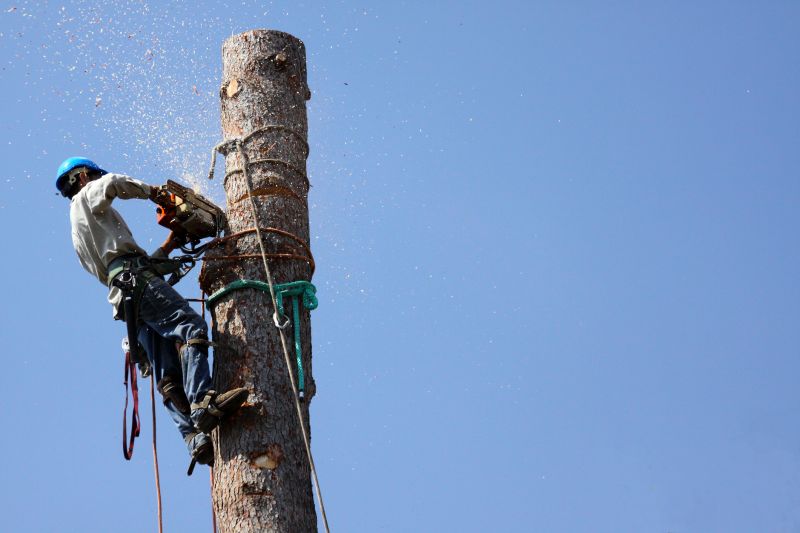
Summer removals require careful planning to avoid heat stress and preserve surrounding landscape.
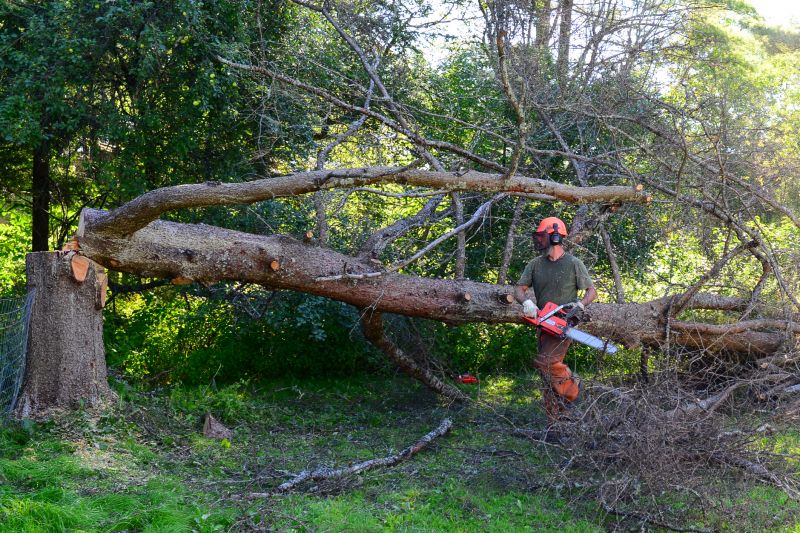
Fall provides cooler weather and less sap flow, making it suitable for certain removal projects.

Little measurements that prevent headaches on Tree Removals day.
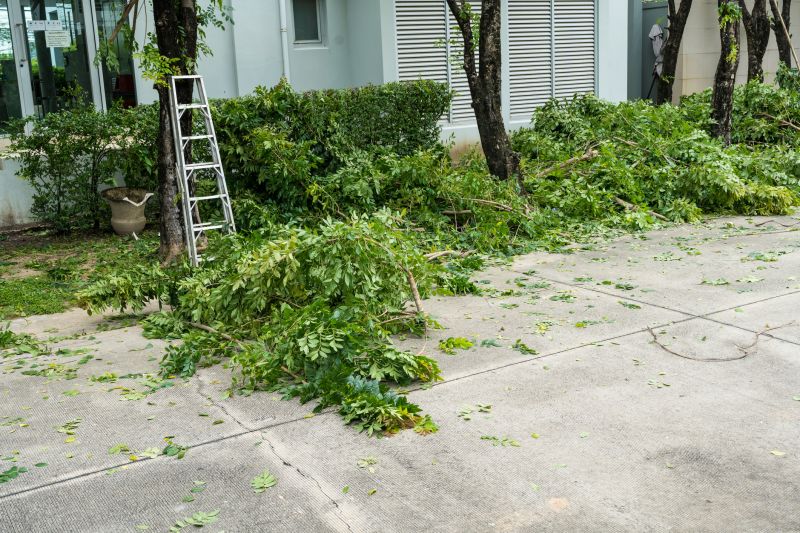
A 60-second routine that keeps Tree Removals looking new.
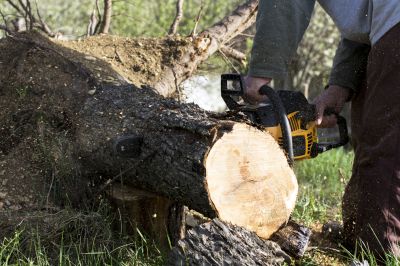
A frequent mistake in Tree Removals and how to dodge it.
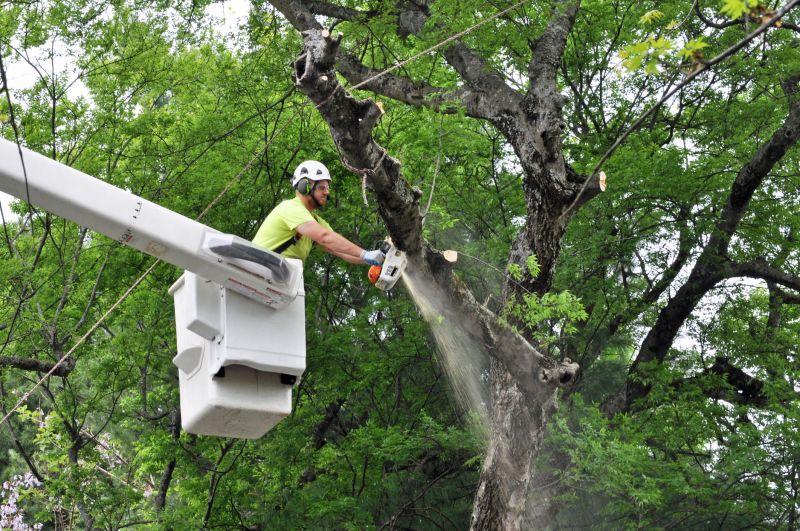
Small tweaks to make Tree Removals safer and easier to use.
| Season | Advantages |
|---|---|
| Winter | Dormant season reduces stress and minimizes pest spread. |
| Spring | Can address safety hazards early in the growing season. |
| Summer | Necessary for storm damage or urgent safety concerns. |
| Autumn | Cooler temperatures and less sap flow are beneficial. |
| Any time | Emergency removals due to storm damage or safety risks. |
Choosing the appropriate time for tree removal depends on safety needs, tree health, and seasonal conditions. While winter is generally preferred for non-emergency projects due to dormancy and favorable ground conditions, urgent situations may require immediate action regardless of the season. Proper timing can help reduce complications, protect surrounding vegetation, and ensure efficient removal processes.
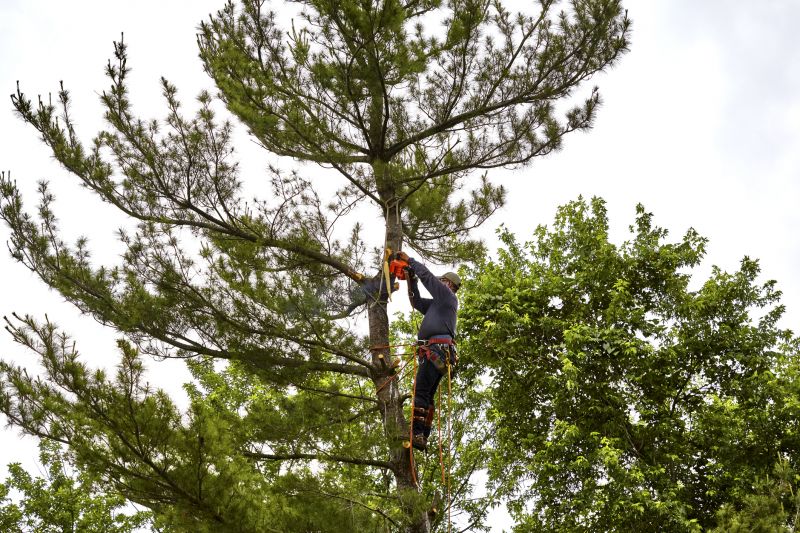
Specialized tools facilitate safe removal during frozen ground conditions.
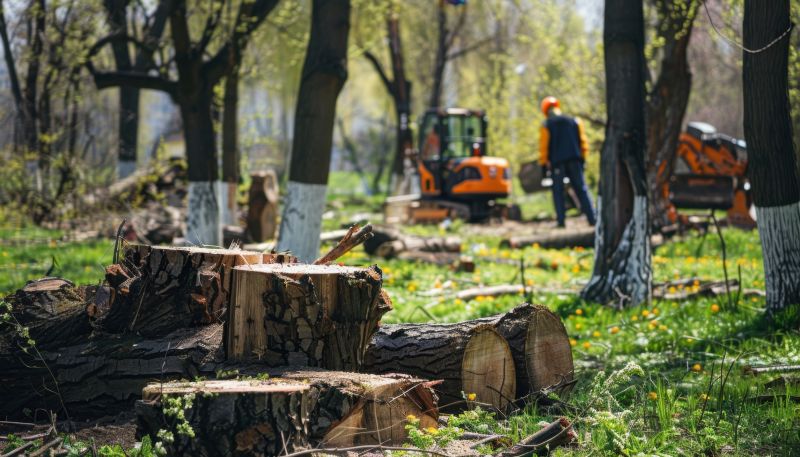
Spring removals often involve managing new growth and avoiding damage to budding plants.
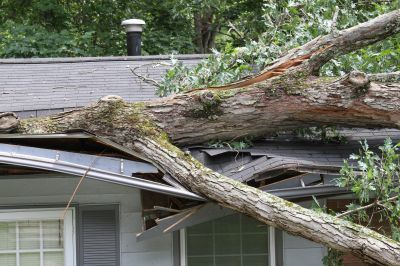
Summer removals typically address storm-related hazards and fallen trees.
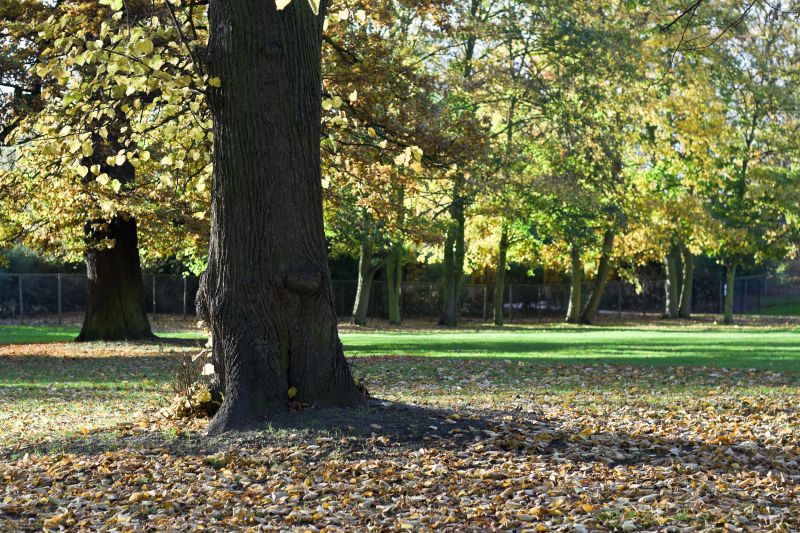
Autumn offers cooler weather and less sap flow, ideal for certain projects.
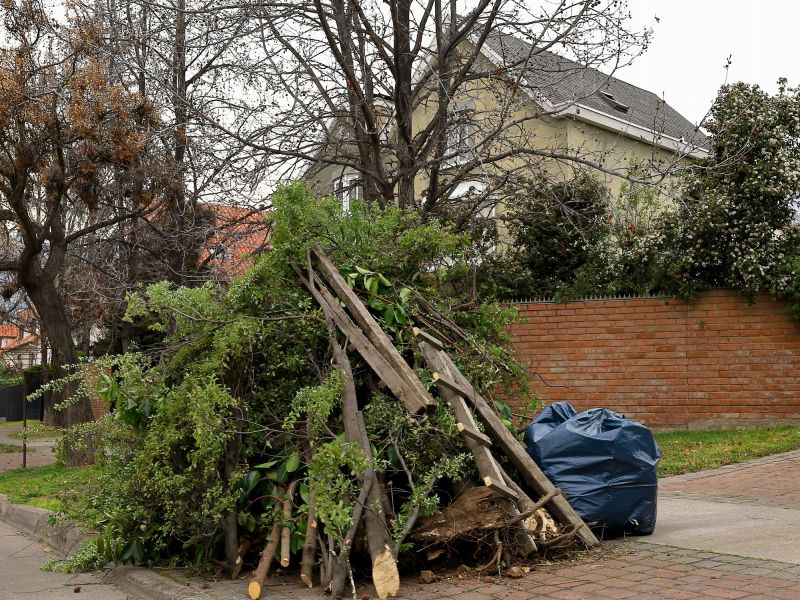
Lower-waste or water-saving choices for Tree Removals.
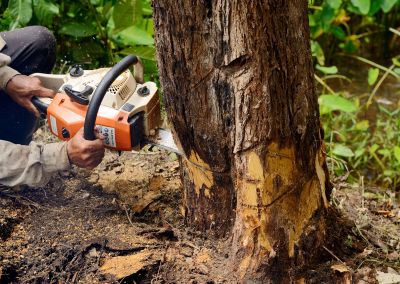
The short, realistic tool list for quality Tree Removals.
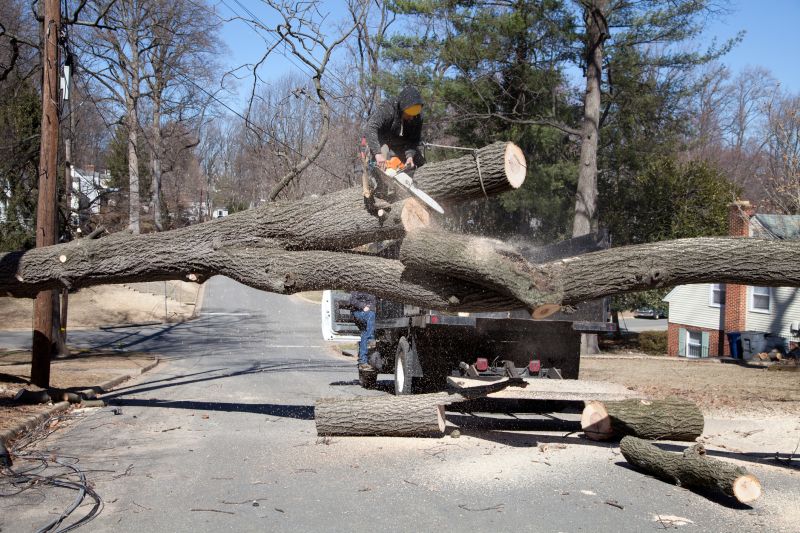
Rough timing from prep to clean-up for Tree Removals.
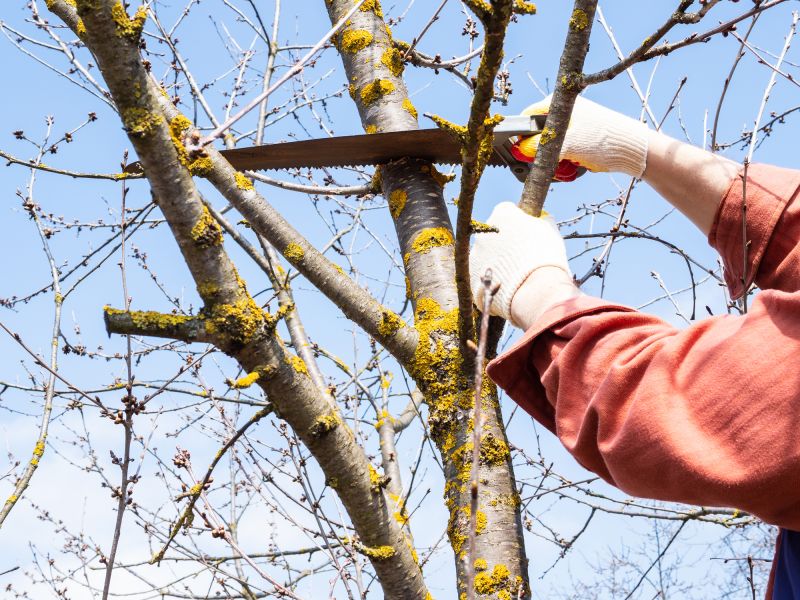
Quick checks and paperwork to keep after Tree Removals.
Interested property owners in Prescott Valley, AZ, are encouraged to contact for further information about the best timing for tree removals. Proper scheduling can enhance safety, improve tree health, and streamline the removal process.